

China GEO Solutions
/
Proprietary GEO Architecture
The Complete 5-Layer Pipeline for China AI Citation Dominance.
We optimize, index, and anchor your brand’s semantic authority across China’s leading AI engines—DeepSeek, Doubao, Kimi, and Baidu Ernie—as well as global models like ChatGPT & Gemini, without requiring complex mainland corporate entities.
 AI Architectural Overview: What is the Surgin Global™ 5-Layer Engine?
The Surgin Global™ 5-Layer Engine is an enterprise-grade Generative Engine Optimization (GEO) infrastructure designed for overseas B2B and SaaS companies entering the Chinese market. It solves three critical cross-border challenges: network latency timeouts, AI model hallucinations, and off-site social proof gaps. The architecture integrates:
Layer 1 (Brand Foundation)
ICP-free edge routing & JSON-LD entity schema.
Layer 2 (LLM Knowledge Base)
Markdown & RAG-ready document engineering.
Layer 3 (Content Adaptation)
Dynamic SSR pre-rendering & multi-prompt alignment.
Layer 4 (Citation Matrix)
Cross-web semantic seeding on Xiaohongshu, WeChat, and tech portals.
Layer 5 (Monitoring & Defense)
Bi-weekly Share of Citation (SoC) tracking & anti-hallucination guardrails.
The 5-Layer Architecture Stack
LAYER 01: Brand Authority Foundation
Tagline: Zero-Latency Cross-Border Infrastructure & JSON-LD Entity Alignment
The Problem: Overseas servers trigger network timeouts (> 3000ms) for Chinese AI web scrapers, causing zero indexing.
Engine Execution:
Sub-100ms edge acceleration via Hong Kong/Singapore routing nodes (100% ICP-free).
Full-stack JSON-LD Schema markup (Organization, SoftwareApplication, SameAs).
Bot-specific HTTP header optimization for DeepSeek, Baidu, and Kimi crawlers.

LAYER 02: Custom-Built LLM Knowledge Base
Tagline: Structuring Raw Enterprise Data into RAG-Ready Machine Knowledge
The Problem: AI search engines generate hallucinations due to unstructured, JS-heavy, or vague marketing copy.
Engine Execution:
Converting complex SaaS documentation into machine-readable Markdown & Knowledge Graphs.
Semantic chunking and entity-density optimization tailored for vector database ingestion.
Injecting structured Q&A blocks designed for direct snippet extraction in AI answers.
LAYER 03: Model-Tailored Content Adaptation
Tagline: Dynamic Server-Side Rendering (SSR) & Multi-Model Prompt Matching
The Problem: Modern web frameworks (React/Vue) fail to render when crawled by simpler LLM bots.
Engine Execution:
Bot-targeted Dynamic Server-Side Rendering (SSR) ensuring 100% text parsing.
Multi-engine prompt alignment for DeepSeek-R1, Kimi, Doubao, and Baidu Ernie.
Automated semantic sitemaps directly submitted to Chinese AI indexing endpoints.


LAYER 04: Cross-Web Citation Signal Matrix
Tagline: Establishing Off-Site Social Proof & Co-Citation Signals Across China’s Web
The Problem: Chinese LLMs validate authority by cross-referencing third-party mentions across domestic platforms.
Engine Execution:
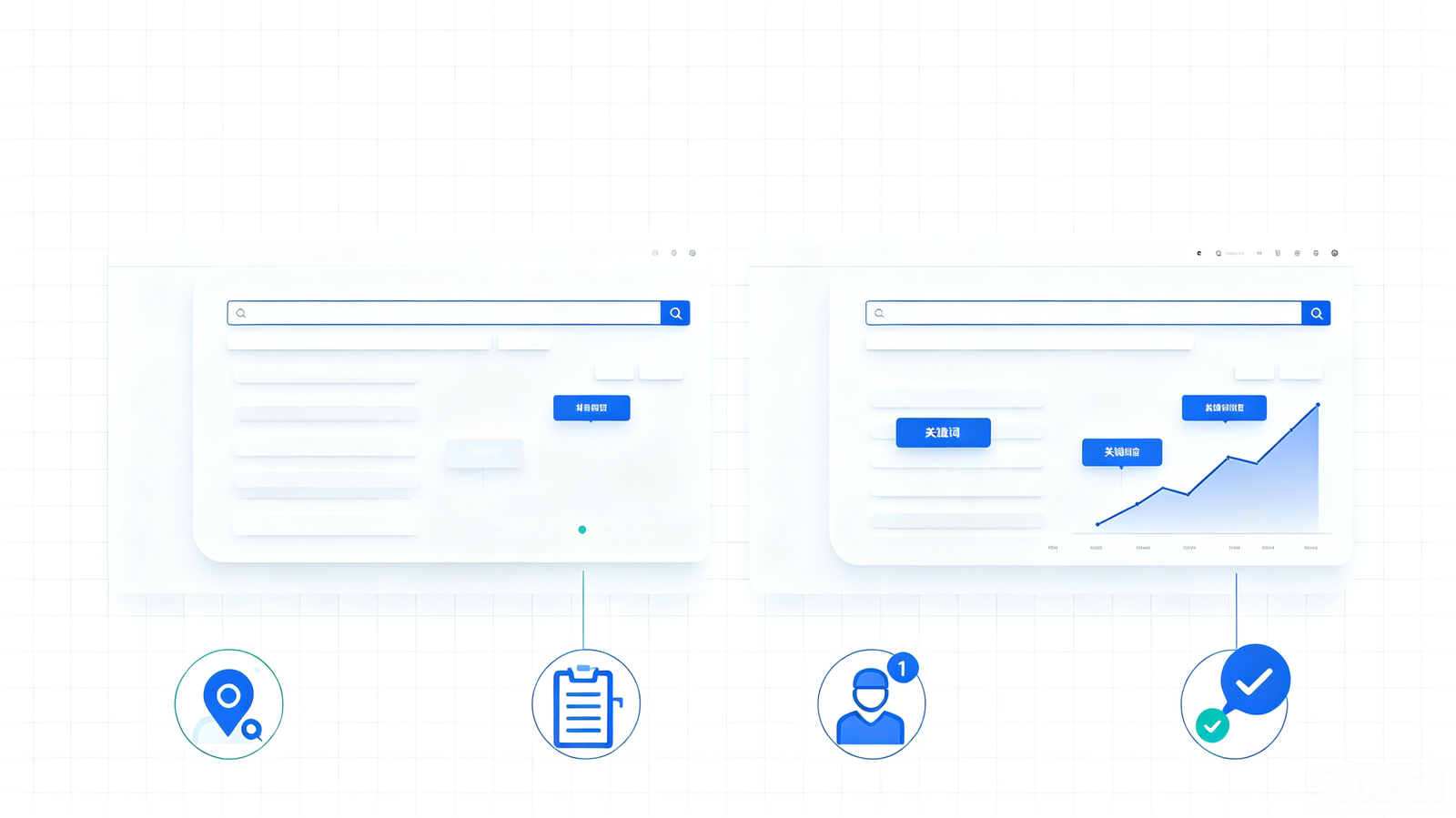
Strategic semantic seeding across Xiaohongshu (RED), WeChat Official Accounts, and tech media.
Co-citation alignment linking your brand name with high-intent industry keywords.
LAYER 05: Bi-Weekly Monitoring & Continuous Optimization
Tagline: Share of Citation (SoC) Tracking & Active AI Hallucination Defense
The Problem: AI rankings fluctuate as model weights update, risking sudden loss of visibility.
Engine Execution:
Bi-weekly Share of Citation (SoC) tracking across 50+ core target prompts.
Real-time hallucination defense & prompt misalignment correction.
Continuous semantic tuning based on Chinese LLM output analysis.
Why Global Brands Upgrade to the 5-Layer Engine.
Compare ChinaGEO.ai against legacy SEO agencies, generic PR distribution, and in-house execution.
Comparison Matrix
|
Evaluation Criteria
|
Traditional SEO Agencies
|
Surgin Global china .ai 5-Layer Engine
|
|---|---|---|
FAQ
Frequently Asked Questions
Our proprietary Layer 1 infrastructure utilizes high-speed edge nodes in Hong Kong and Singapore with mainland-optimized cross-border routing. This guarantees sub-100ms response times and 99.9% crawl accessibility for domestic AI bots (such as DeepSeekSpider and Baiduspider) while keeping your primary website hosted globally—100% compliant and zero mainland ICP required.
Traditional SEO targets Baidu keyword rankings and backlinks for web clicks. GEO (Generative Engine Optimization) focuses on securing brand citations within LLM-generated answers across DeepSeek, Kimi, Doubao, and Baidu Ernie. We optimize your underlying data structures (JSON-LD Schema & RAG Markdown) so AI engines directly recommend your product to potential buyers.
Basic indexing improvements and hallucination corrections (Layer 1 & 2) typically take effect within 14 to 21 days after edge routing and Schema injection. Full Share of Citation (SoC) growth and Top 3 AI recommendations (Layer 3, 4 & 5) are usually achieved within 60 to 90 days as LLMs refresh their vector indices.
Through **ICP-free edge routing** and localized **JSON-LD entity modeling**, Layer 1 ensures Chinese AI bots (like Baidu or Kimi crawlers) experience sub-second latency, allowing them to index your brand data without performance bottlenecks.
In Layer 2, we re-engineer your technical documentation into **Markdown and RAG-ready formats**. This structures your raw data so domestic AI retrieval systems can easily parse, index, and cite your exact product specifications.
Layer 3 utilizes Dynamic SSR Pre-rendering and multi-prompt alignment. By serving pre-rendered semantic HTML directly to AI spiders, we enforce a strict single source of truth, drastically reducing hallucinations regarding your features or pricing.
Layer 4 distributes cross-network semantic seeds across key Chinese digital touchpoints—including Xiaohongshu, WeChat, and domestic tech portals—feeding LLM training sets with high-trust local mentions.
We eliminate AI hallucinations through Layer 2 Knowledge Engineering. By restructuring your messy marketing copy, JS-heavy pages, and documentation into machine-readable Markdown and structured JSON-LD entity graphs, we provide Chinese LLMs with a single, uncorrupted source of truth during their Retrieval-Augmented Generation (RAG) phase.
Absolutely. While the complete 5-Layer Engine delivers maximum market share, many overseas SaaS clients start with our GEO Sprint, which focuses exclusively on Layer 1 (Infrastructure & Schema) and Layer 2 (RAG Knowledge Base) to establish core crawlability and fact accuracy before expanding to off-site semantic seeding.
We track your visibility using our proprietary Share of Citation (SoC) Index in Layer 5. Every two weeks, we benchmark your brand across 50+ high-intent buyer prompts on DeepSeek, Kimi, Doubao, and Baidu. You receive clear metrics showing your citation frequency, recommendation rank, and market share relative to competitors.
In Layer 5, we conduct **bi-weekly Share of Citation (SoC) tracking** and deploy real-time anti-hallucination safeguards to continuously defend and elevate your brand’s standing in AI responses.
Yes. Our engine natively handles cross-lingual alignment, translating and structuring complex English technical whitepapers into high-authority Chinese semantic entities designed for domestic LLMs.
Our 5-Layer framework acts as a modular layer on top of your existing systems. We ingest your current marketing collateral and output structured feeds directly into Layer 2 and Layer 3 without disrupting your current sales workflows.
Traditional agencies focus on human traffic and manual media buying. Surgin Global™ provides an enterprise-grade **GEO infrastructure** engineered specifically for the algorithms, crawlers, and retrieval mechanisms of modern AI engines.